


CYMEL 303 LF Alternative: Why SHREEBOND HM-303 LF is the Best Hexamethoxymethyl Melamine Resin for High-Performance Coatings
In the world of industrial coatings, melamine crosslinkers are among the most critical components in determining coating durability, hardness, chemical resistance, and long-term stability. From automotive finishes to coil coatings and industrial metal protection, coatings rely on crosslinking resins to form strong polymer networks that enhance performance.
One of the most widely used melamine crosslinkers globally is CYMEL 303 LF, a highly methylated melamine resin known for its efficiency in crosslinking hydroxyl-functional polymers. However, as the coatings industry evolves and supply chains shift, manufacturers are increasingly searching for high-quality alternatives to Cymel 303 LF.
Among the emerging solutions, SHREEBOND HM-303 LF stands out as a reliable hexamethoxymethyl melamine (HMMM) resin designed to provide comparable crosslinking performance with better supply reliability and cost efficiency.
This pillar guide will explore everything coating formulators, resin manufacturers, and industrial buyers need to know about:
- What CYMEL 303 LF is and how it works
- The chemistry of hexamethoxymethyl melamine resins
- Limitations of imported melamine crosslinkers
- Why manufacturers are switching to Cymel 303 alternatives
- Detailed comparison of CYMEL 303 LF vs SHREEBOND HM-303 LF
- Applications of HM-303 LF in modern coating systems
- How melamine crosslinkers improve coating performance
- How to choose the right melamine crosslinker supplier
- If you are searching for HM-303 LF resin, Cymel 303 alternatives, or reliable melamine crosslinker suppliers, this comprehensive guide will provide valuable insights.
Understanding Melamine Crosslinkers in Coatings
Melamine crosslinkers are thermosetting resins widely used in baking coatings. Their main function is to react with functional groups in base polymers to form a strong three-dimensional network.
These crosslinking reactions occur when coatings are cured at elevated temperatures in the presence of an acid catalyst.
Common Polymers Used with Melamine Resins
Melamine crosslinkers typically react with:
- Acrylic resins
- Polyester resins
- Alkyd resins
- Epoxy resins
- Hydroxyl-functional polymers
The crosslinking reaction significantly improves coating properties such as hardness, chemical resistance, gloss retention, and durability.
Because of these advantages, hexamethoxymethyl melamine resins have become essential ingredients in modern industrial coating formulations.
What is CYMEL 303 LF?
CYMEL 303 LF is a highly methylated monomeric melamine resin commonly used as a crosslinking agent in baking enamel coatings.
Chemically, it belongs to the hexamethoxymethyl melamine (HMMM) resin family.
Key Characteristics of CYMEL 303 LF
- Highly methylated melamine structure
- Very high solids content (approximately 98%)
- Low viscosity liquid resin
- Excellent compatibility with hydroxyl-functional resins
- Fast curing in the presence of acid catalysts
- Suitable for high-solids coatings
Because of these properties, CYMEL 303 LF has long been a benchmark crosslinker for many coating systems.
Typical Applications of CYMEL 303 LF
Due to its excellent crosslinking performance, CYMEL 303 LF is widely used in several industries.
Automotive Coatings
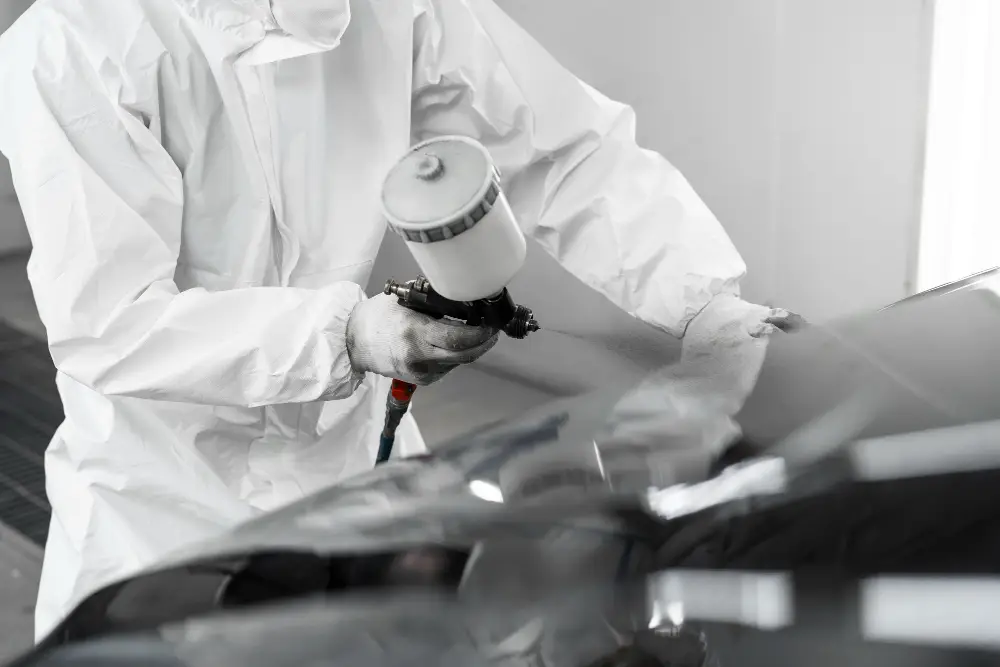
Automotive finishes require coatings that provide durability, chemical resistance, and high gloss. Melamine crosslinkers like CYMEL 303 LF are frequently used in automotive OEM coatings.
Coil Coatings
Metal sheets used in construction and appliances are coated through coil coating processes that require strong crosslinking agents.
Industrial Metal Coatings
Industrial equipment and metal structures require coatings capable of withstanding harsh environments.
Can and Container Coatings
Metal packaging coatings rely on melamine resins to achieve chemical resistance and strong adhesion.
Wood Finishing Systems
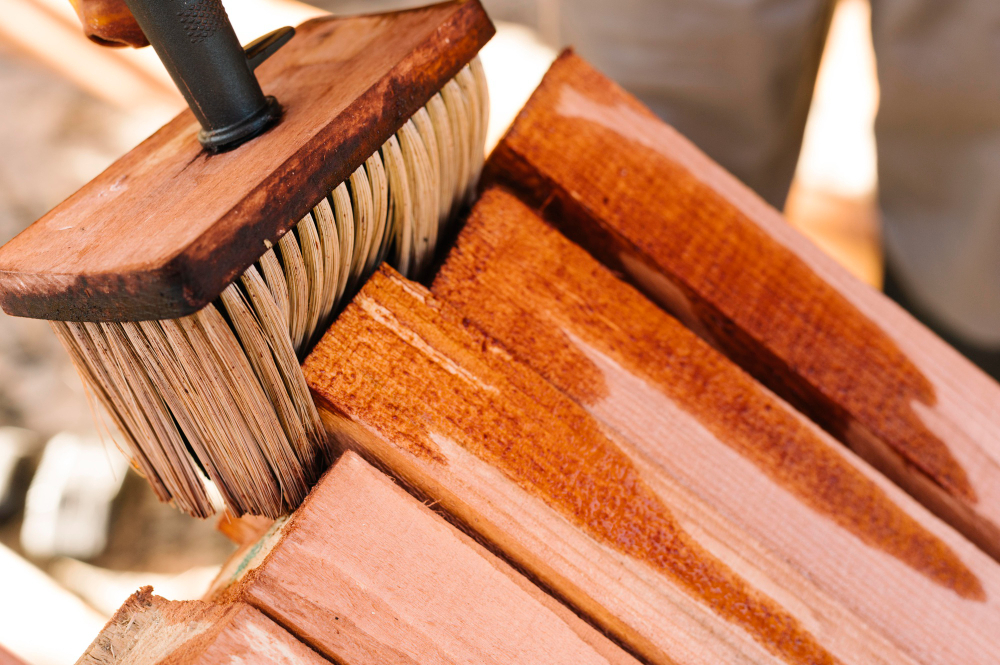
Melamine crosslinkers improve hardness and scratch resistance in wood coatings.
While CYMEL 303 LF performs well across these applications, manufacturers are increasingly exploring Cymel 303 LF alternatives due to economic and supply chain considerations.
Challenges with Imported Melamine Crosslinkers
Despite the strong performance of products like CYMEL 303 LF, the coatings industry faces several challenges when relying on imported crosslinkers.
Rising Raw Material Costs
Global supply disruptions have significantly increased the cost of specialty resins and chemical intermediates.
Supply Chain Instability
Manufacturers dependent on imported crosslinkers may face delays due to logistics issues, geopolitical factors, or distributor limitations.
Currency Fluctuations
Exchange rate volatility can increase procurement costs for chemical manufacturers.
Increasing Demand for Local Alternatives
Many coating manufacturers prefer regionally available melamine crosslinkers to ensure consistent supply and faster delivery.
These challenges have driven demand for high-performance Cymel 303 alternatives such as SHREEBOND HM-303 LF resin.
Introducing SHREEBOND HM-303 LF Resin
SHREEBOND HM-303 LF is a high-performance hexamethoxymethyl melamine resin developed for industrial coatings and baking enamels.
It is designed to provide strong crosslinking performance similar to CYMEL 303 LF while offering improved supply availability and cost efficiency.
Key Features of HM-303 LF Resin
- Highly methylated monomeric melamine resin
- High solids content suitable for high-solids coating systems
- Efficient crosslinking with hydroxyl-functional polymers
- Fast curing response with acid catalysts
- Excellent compatibility with acrylic, polyester, and alkyd resins
These characteristics make SHREEBOND HM-303 LF an effective drop-in replacement for Cymel 303 LF in many formulations.
CYMEL 303 LF vs SHREEBOND HM-303 LF: Technical Comparison
Understanding the differences between these two melamine resins helps coating manufacturers evaluate the best choice for their formulations.
| Property | CYMEL 303 LF | SHREEBOND HM-303 LF |
|---|---|---|
| Resin Type | Hexamethoxymethyl melamine | Hexamethoxymethyl melamine |
| Structure | Highly methylated monomeric | Highly methylated monomeric |
| Solids Content | ~98% | Comparable high solids |
| Cure Speed | Fast with acid catalyst | Fast curing |
| Compatibility | Acrylic, polyester, alkyd | Same compatibility |
| Film Hardness | Excellent | Excellent |
| Chemical Resistance | High | High |
| Supply | Mainly imported | Reliable supply |
| Cost | Premium | Cost efficient |
From a performance perspective, SHREEBOND HM-303 LF offers very similar crosslinking performance, making it a strong Cymel 303 alternative.
How HM-303 LF Improves Coating Performance
Melamine crosslinkers play a critical role in improving coating performance.
Hardness and Durability
Crosslinking creates a dense polymer network that increases film hardness and mechanical strength.
Chemical Resistance
Melamine resins improve resistance against chemicals, fuels, oils, and solvents.
Gloss Retention
Crosslinked coatings maintain gloss and appearance even after long-term exposure.
Improved Heat Resistance
Melamine crosslinked coatings can withstand high temperatures during curing and service.
Enhanced Adhesion
Crosslinked films adhere strongly to substrates such as metal, wood, and plastic.
These benefits make HMMM resins like HM-303 LF essential for high-performance coatings.
Applications of SHREEBOND HM-303 LF in Modern Coatings
Because of its strong crosslinking capability, HM-303 LF is widely used across several coating sectors.
Automotive OEM Coatings
Automotive coatings require high gloss, chemical resistance, and durability. HM-303 LF helps achieve these properties.
Industrial Baking Enamels
Many industrial coatings require baking processes to cure the coating. Melamine crosslinkers ensure strong film formation.
Coil Coatings
Metal sheets used in roofing, appliances, and construction require coatings that can withstand environmental exposure.
Metal Packaging Coatings
Food and beverage packaging coatings require chemical resistance and strong adhesion.
Wood Finishes
Furniture and flooring coatings benefit from improved hardness and scratch resistance provided by melamine resins.
How Melamine Crosslinking Chemistry Works
Understanding the chemistry behind melamine crosslinkers helps explain their importance in coating systems.
Melamine molecules contain multiple methoxymethyl groups that react with hydroxyl groups present in base resins.
During curing, the reaction forms ether linkages, creating a strong crosslinked network.
Key Reaction Components
- Hydroxyl functional polymer
- Melamine crosslinker (HMMM resin)
- Acid catalyst
- Heat curing process
This reaction transforms the liquid coating into a durable thermoset film.
Benefits of Using HM-303 LF as a Cymel 303 Alternative
For coating manufacturers evaluating crosslinker options, HM-303 LF offers several advantages.
Cost Efficiency
Compared to imported crosslinkers, HM-303 LF helps reduce formulation costs.
Reliable Supply
Local availability ensures consistent procurement and shorter lead times.
Comparable Technical Performance
HM-303 LF delivers film hardness, durability, and chemical resistance similar to CYMEL 303 LF.
Easy Formulation Transition
In many coating systems, HM-303 LF can be used as a direct substitute without major reformulation.
How to Choose the Right Melamine Crosslinker Supplier
Selecting a reliable melamine crosslinker supplier is crucial for coating manufacturers.
Consistent Product Quality
Suppliers must maintain consistent resin specifications across batches.
Technical Support
Experienced suppliers can assist formulators with product selection and application optimization.
Global Supply Capability
Export-oriented manufacturers prefer suppliers capable of delivering products internationally.
Competitive Pricing
Cost-effective raw materials help coating manufacturers remain competitive.
Reliable suppliers offering HM-303 LF resin can provide a strong combination of quality, technical expertise, and supply reliability.
Future Trends in Melamine Crosslinker Technology
The coatings industry continues to evolve toward more sustainable and efficient formulations.
Key trends include:
High-Solids Coatings
High-solids coatings reduce solvent emissions while maintaining coating performance.
Low VOC Formulations
Environmental regulations are encouraging the use of coatings with lower volatile organic compounds.
Improved Crosslinker Efficiency
Modern melamine resins are designed to achieve stronger crosslinking with minimal catalyst usage.
Sustainable Raw Materials
Chemical manufacturers are exploring environmentally friendly production methods.
Products like HM-303 LF resin align well with these evolving industry requirements.
Conclusion: SHREEBOND HM-303 LF is a Strong Cymel 303 Alternative
Melamine crosslinkers remain one of the most important components in high-performance coating systems.
While CYMEL 303 LF has long been a widely used crosslinker, manufacturers are increasingly seeking alternatives that offer comparable performance with improved cost efficiency and supply stability.
SHREEBOND HM-303 LF provides an excellent solution.
With its highly methylated melamine structure, strong crosslinking capability, and compatibility with common coating resins, HM-303 LF delivers the performance required for demanding industrial applications.
For coating formulators, resin manufacturers, and industrial buyers searching for a reliable Cymel 303 LF alternative, SHREEBOND HM-303 LF offers a powerful combination of performance, availability, and economic value.
Short, Medium, and Long Oil Alkyds: How They Affect Drying Time and Durability
- admin@chemhorizon
- September 9, 2025